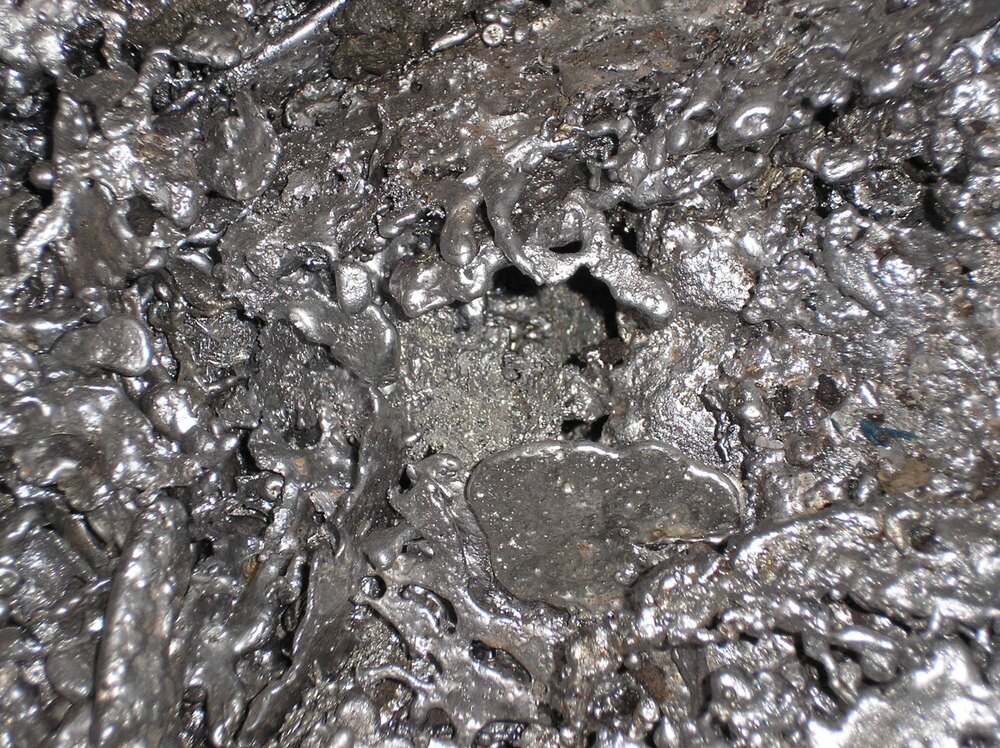
Tin Dross

Tin Dross

उत्पाद विवरण:

X

मूल्य और मात्रा

  • 100

उत्पाद की विशेषताएं

  • The specific composition varies based on the tin's source and processing methods.
  • Reagent Grade
  • 98%
  • Sliver
  • New

उत्पाद वर्णन

Tin dross refers to the scum or impurities that form on the surface of molten tin during smelting, casting, or refining processes. It is composed primarily of oxidized tin along with other impurities, such as:

  1. Tin Oxides (SnO, SnO): Resulting from the reaction of molten tin with oxygen.
  2. Alloyed Metals: Elements like copper, lead, or iron may be present, depending on the source of the tin.
  3. Flux Residue: If a fluxing agent is used during processing, residual compounds may be part of the dross.
  4. Contaminants: Impurities from recycled materials or processing equipment.

Characteristics

  • Appearance: A grayish, powdery, or lumpy material that floats on the molten tins surface.
  • Density: Generally less dense than molten tin, which allows it to rise to the surface for easy removal.
  • Composition: The specific composition varies based on the tins source and processing methods.

Applications

While tin dross is considered a waste byproduct, it often contains recoverable tin. Recovered tin can be reused in industrial applications. Common uses include:

  • Recycling: Refining processes to extract tin for reuse in soldering or plating.
  • Additives: Some industries use dross in specific alloy production or as a raw material for other processes.

Environmental Considerations

Proper handling and recycling of tin dross are essential to minimize waste and reduce environmental impact. Unmanaged dross can contribute to pollution due to its metal content. Recycling efforts often focus on minimizing residue and maximizing tin recovery.


Versatile Applications

With a purity of 98%, tin dross is ideal for a range of uses, including alloy manufacturing and chemical processes. Its reagent grade classification ensures reliable quality for industrial and laboratory purposes.


Consistent Quality

Tin dross is supplied in new condition, maximizing its tin value and usability. The silver coloration is indicative of its high metal content, making it sought-after for refining and recovery purposes.

FAQs of Tin Dross:


Q: How is tin dross with 98% purity typically processed?

A: Tin dross with 98% purity is usually processed through smelting or refining to separate residual tin from other impurities. The specific method depends on the composition and end application requirements.

Q: What is the primary usage of reagent grade tin dross?

A: Reagent grade tin dross is mainly used in the metallurgical industry for alloy production, solder manufacturing, and chemical reactions where high-purity tin recovery is essential.

Q: When is tin dross most beneficial for industrial applications?

A: Tin dross becomes especially valuable when industries require a cost-effective tin source for recycling or refining. Its high purity allows for efficient recovery of tin during resource-shortage periods or in regions with elevated tin demand.

Q: Where is this 98% purity tin dross commonly sourced from?

A: This grade of tin dross is typically collected from smelting operations in India, with its composition varying based on the practices of the specific exporter, manufacturer, or trader.

Q: What is the process for ensuring the quality and purity of tin dross?

A: Quality is maintained through strict sampling, testing, and certification by suppliers, ensuring the delivered dross meets reagent-grade standards and the specified 98% tin purity.

Q: What are the benefits of using silver-colored, new condition tin dross?

A: New, silver-colored tin dross with high purity offers improved recovery rates, minimal contamination risks, and versatility in industrial use, supporting both economic and environmental sustainability.

Tell us about your requirement
product

Price:  

Quantity
Select Unit

  • 50
  • 100
  • 200
  • 250
  • 500
  • 1000+
Additional detail
मोबाइल number

Email

टिन मैल अन्य उत्पाद


Back to top